

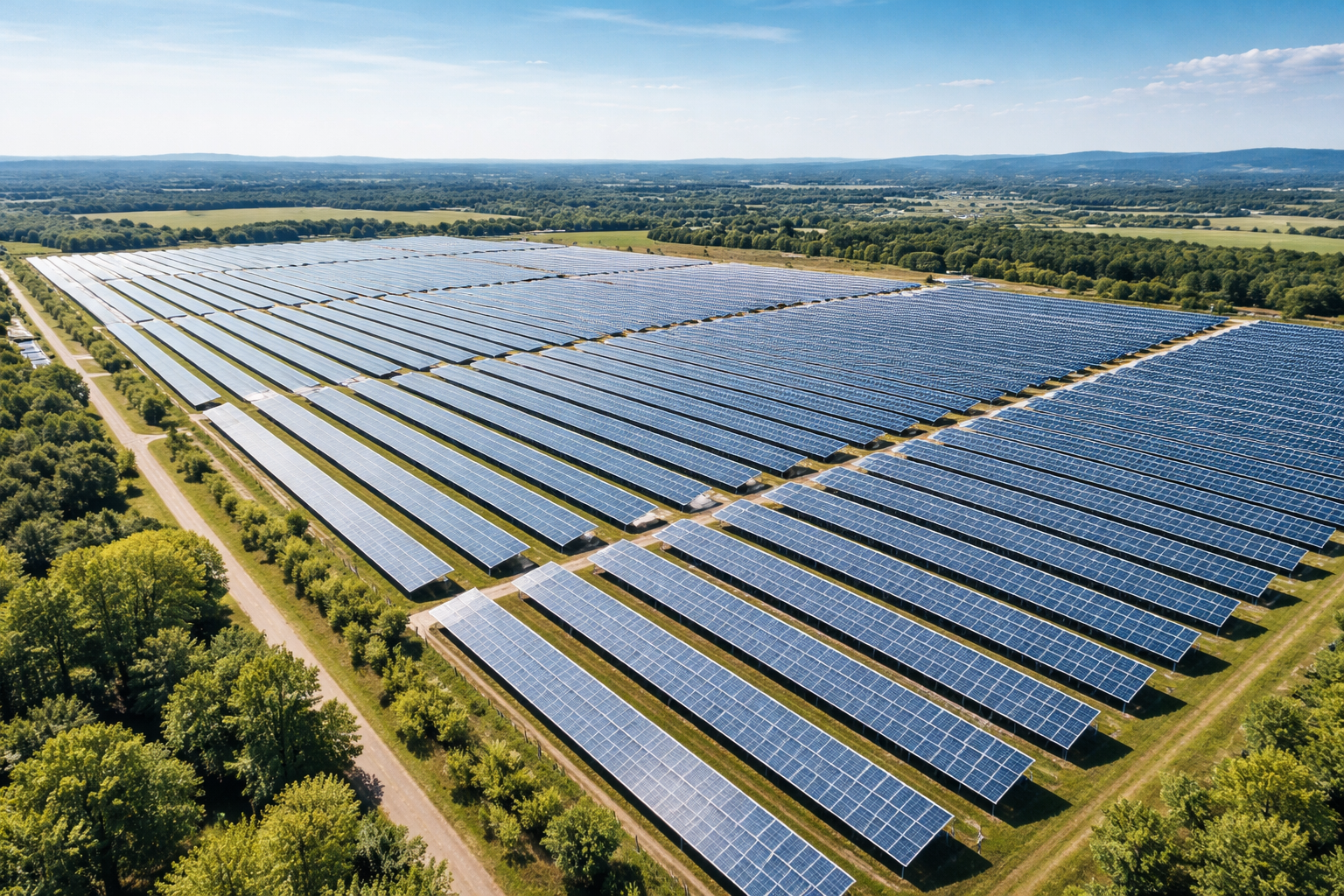
Solar parks across Europe are growing quickly. As more capacity comes online, solar park inspections have become a routine part of operating these assets. Drones and thermal cameras make it possible to scan large sites efficiently and detect issues that would otherwise remain unnoticed.
Yet many inspection campaigns still leave operators with the same question:
What should we actually do next?
The problem is rarely the inspection itself. The challenge usually appears afterwards, when teams try to interpret the results and translate them into maintenance decisions.
Images alone do not solve operational problems of solar park inspections
Modern inspections can generate a large amount of data. A single flight over a solar park may produce hundreds or even thousands of images. Thermal imaging can highlight hotspots and potential anomalies across many modules. But large image collections are not always easy to use in practice. Operations teams often receive folders filled with inspection photos and basic notes about detected anomalies. While this information can be valuable, it rarely provides a clear picture of which issues require attention first. Reviewing the data and understanding its operational impact can take significant time.
Not all anomalies are equally important
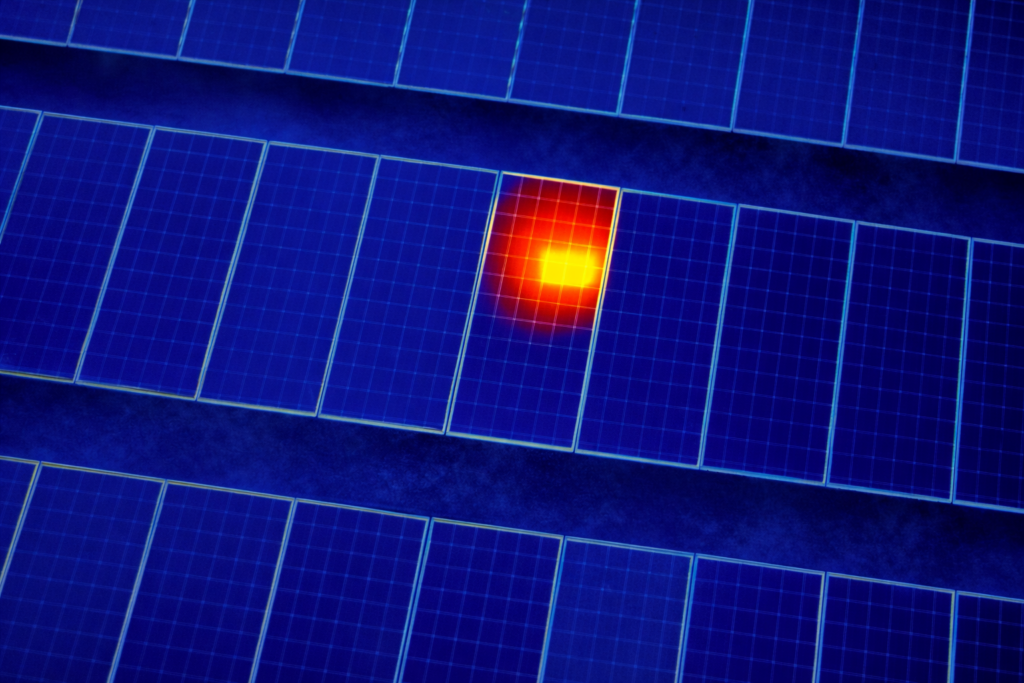
Solar parks are complex systems. Even within the same site, anomalies can have very different causes and levels of urgency.
Some faults may require immediate intervention to prevent further losses. Others may be minor issues that can be addressed during scheduled maintenance. In some cases, a thermal hotspot may even be temporary and not related to a permanent defect.
Without proper context, solar park inspection results can become difficult to interpret.
Maintenance teams may need to manually investigate each finding, locate the affected modules, and determine whether the anomaly represents a real operational problem.
This process can slow down maintenance planning and reduce the practical value of the inspection.
Location and structure matter
For solar park inspection results to be useful, they must be clearly organised.
Operations teams typically need to know:
- where the anomaly is located within the park
- how many modules are affected
- what type of issue is likely present
- how critical the problem may be for production
When this information is structured properly, teams can quickly prioritise the most important issues and plan the necessary maintenance work.
Without this structure, inspections risk becoming little more than documentation exercises.
From inspection to decision support
The real purpose of a solar inspection is not simply to detect anomalies. Its purpose is to help operators maintain their assets efficiently and protect long-term performance. This requires inspection workflows that move beyond image capture.
A useful inspection output should allow teams to move directly from detection to action. Instead of reviewing hundreds of images, operators should be able to understand the key findings quickly and decide which problems to address first. When inspections are designed with this goal in mind, they become far more valuable for asset management.
A changing approach to inspections
As solar portfolios grow larger, the expectations around inspections are also evolving. Operators increasingly need inspection results that support real operational decisions rather than simply documenting site conditions. Clear findings, consistent structure and reliable verification are becoming more important than the volume of collected data. In other words, the industry is gradually shifting from collecting images to delivering usable evidence. This transition may seem subtle, but it has a significant impact on how inspections support the long-term operation of solar assets.
Check our PV Evidence Pack to see our approach to solar parks inspection.
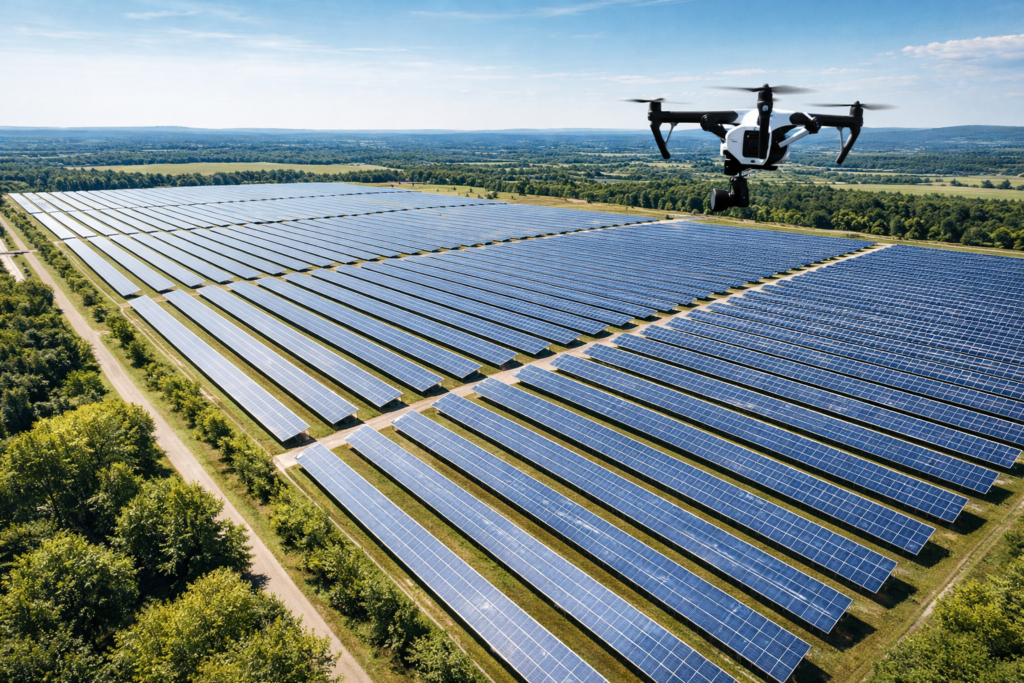
The most important need of photovoltaic asset operators is turning data from solar park inspections with drones into actionable maintenance decisions.
Robivon – Engineering the transition from inspection to autonomous infrastructures