

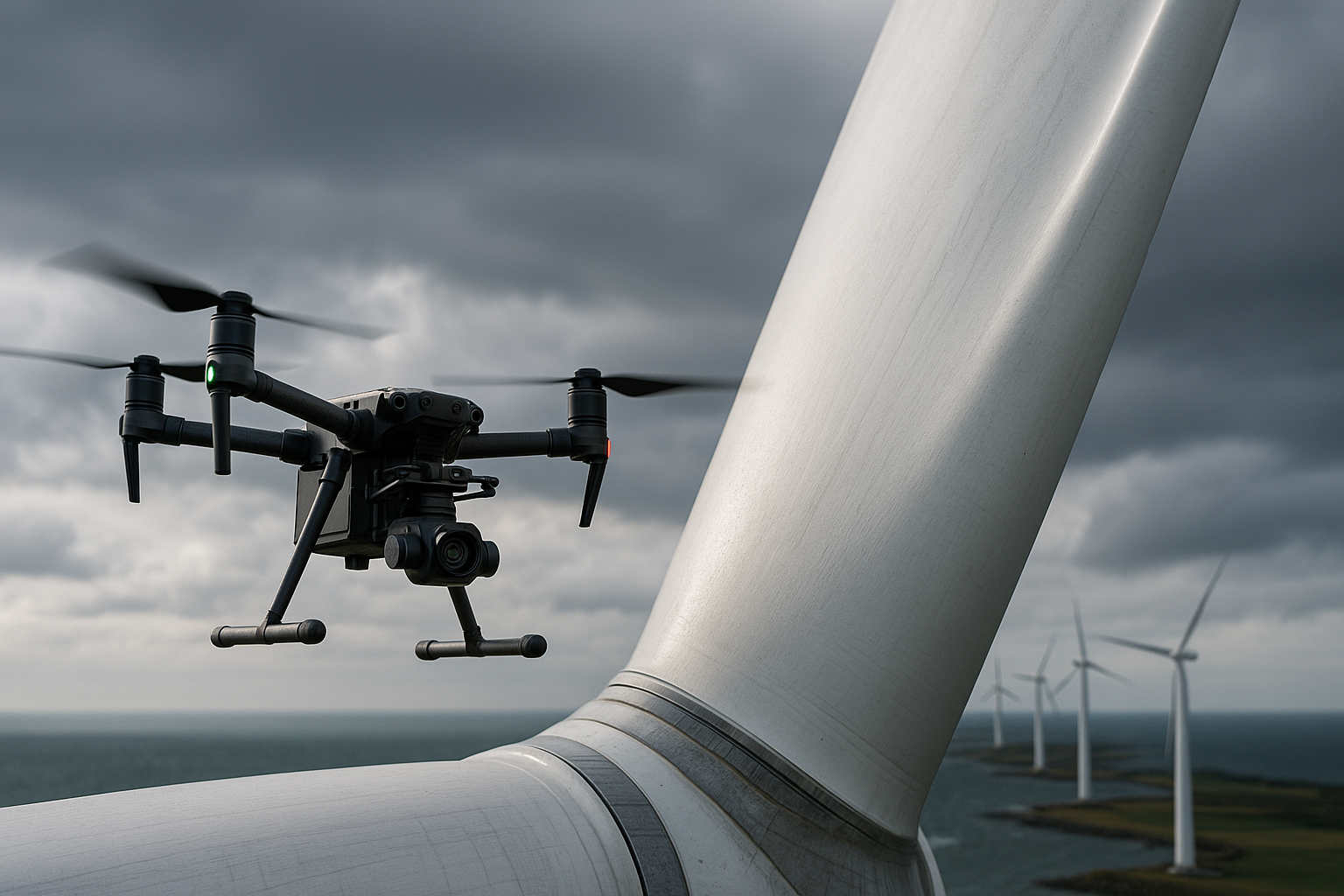
Drone Inspections can significantly benefit Europe that relies heavily on its vast network of bridges, railways and power lines to move people and energy. High-speed railways have become a backbone of transport, and with the push toward clean electricity the grid is expanding rapidly. Maintaining this aging infrastructure is costly, labour-intensive and often dangerous, especially when inspections require climbers or helicopters.
Recent advances in drones and artificial intelligence are changing how inspections are carried out. Europe has become a proving ground for technologies that make infrastructure maintenance safer, faster and greener, creating clear opportunities for companies like Robivon to lead the way.
Why drones are better for inspections
Conducting drone inspections instead of human crews or helicopters provides several major advantages:
- Improved safety: Drone inspections eliminate the need for workers to dangle from ropes or fly close to live power lines. Market studies show that replacing rope-access crews with drones can reduce accidents by as much as 90%, depending on terrain and weather conditions.
- Lower cost and faster results: Rope teams and helicopters are expensive. Research into the European drone services market shows that infrastructure owners have reduced inspection costs by about 40% by switching to drones, while utilities have cut power-line survey expenses by up to 80% compared with helicopter patrols. Autonomous drones also allow one pilot to inspect three times more line-length per day than manual flights.
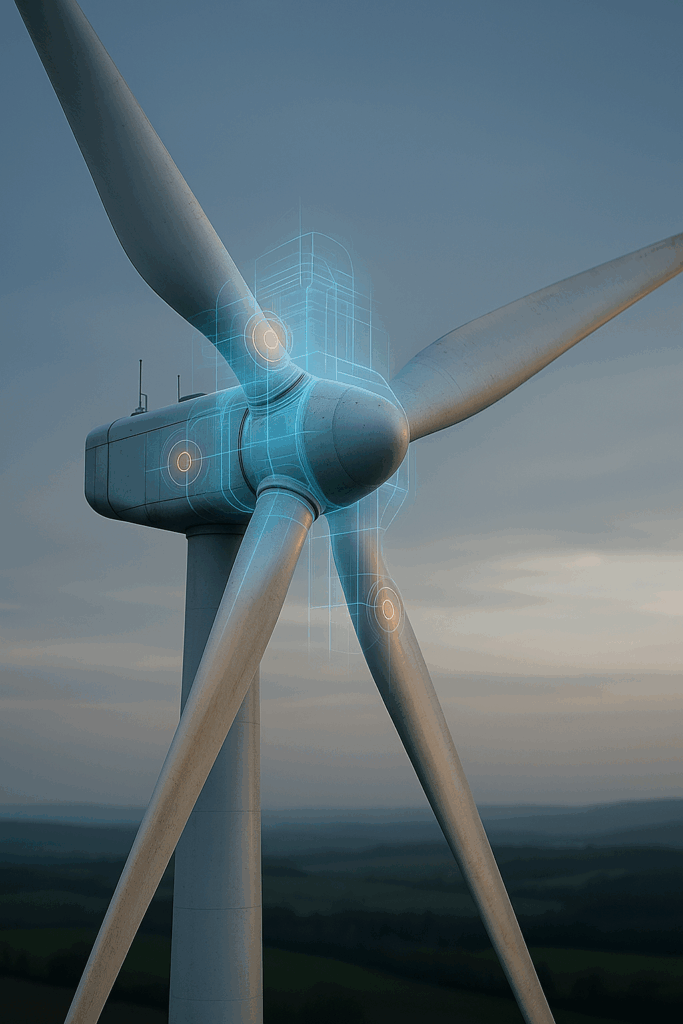
- Higher‑quality data: Drones carry high-resolution optical, LiDAR and thermal sensors, capturing defects from multiple angles. Long-range missions can generate detailed 3D models and feed them into digital-twin platforms for predictive maintenance. This rich data enables engineers to detect problems earlier and schedule targeted repairs.
- Environmental Benefit: Drones produce far less noise and CO₂ than manned flights. A large power-line survey programme in 2023–24 covered more than 60.000 km of lines and saved roughly 500.000 kg of CO₂ compared with helicopter inspections. Even on a per-kilometre basis, drones cut emissions by around 10 kg of CO₂.
- Better working conditions: Drones reduce the need for hazardous climbs on towers and bridges. Autonomous systems allow pilots and engineers to focus on monitoring, analysis and quality assurance rather than manual flying.
Regulations, market trends and emerging innovations
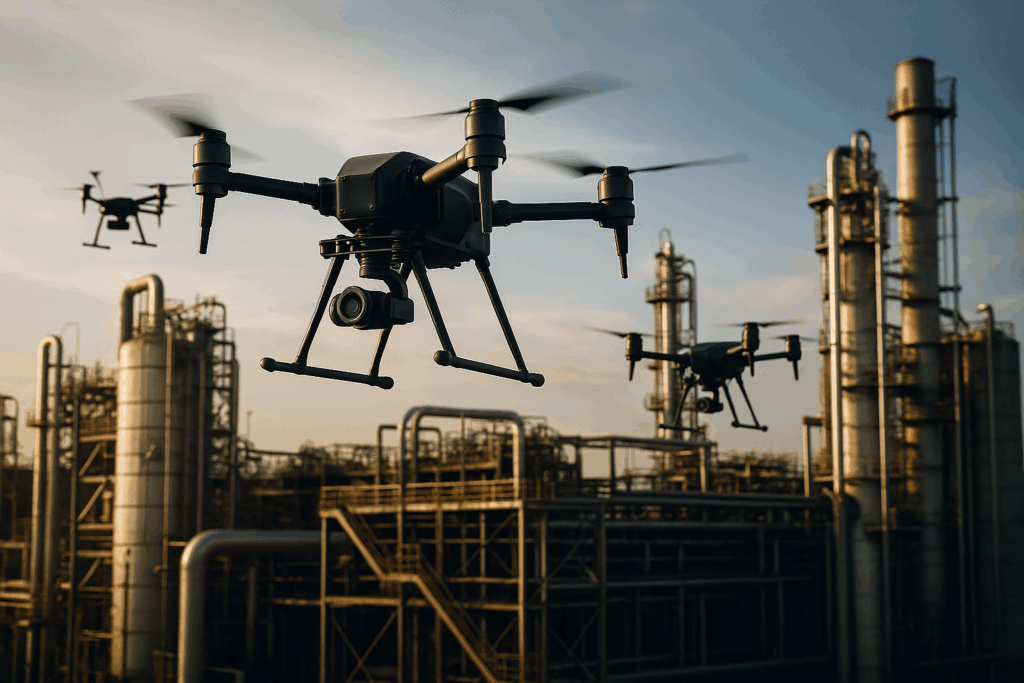
Europe’s drone sector is benefitting from more harmonised regulations. In 2024, the European Union Aviation Safety Agency (EASA) introduced “standard scenarios” that let operators file a single declaration for routine BVLOS missions across member states. This eliminates redundant paperwork and encourages companies to scale inspections across borders.
Regulatory clarity, combined with advances in autonomy and AI, is driving strong growth. The European drone services market is forecast to expand from €7,6 billion in 2025 to about €23 billion by 2030.
Several EU-funded projects point toward a future where drones operate continuously and cooperatively. By harvesting energy from overhead wires and coordinating in swarms, UAVs can monitor long stretches of railway with minimal human intervention. Cloud-based AI systems analyse images in real time to identify faults. Meanwhile, field deployments show how BVLOS approvals let a single pilot inspect several times more line-length per day, enabling projects covering tens of thousands of kilometres to be completed far more quickly.
As the technology matures, expect even deeper integration with digital twins and predictive analytics. Combining drone data with structural models enables asset owners to forecast failures, optimise maintenance schedules and extend infrastructure life. These innovations align with EU goals for greener, more resilient transport and energy networks.
Challenges and the road ahead
Despite the rapid progress of drone inspections, some hurdles remain:
- Integration with existing systems: Asset owners need to connect drone data with existing maintenance workflows and ensure the cybersecurity of AI platforms.
- Regulatory complexity: BVLOS operations require detailed risk assessments, and interpretations still vary by country. Full harmonisation is expected by 2026.
- Skilled workforce: Europe faces a shortage of qualified drone pilots and data specialists.
- Public acceptance and privacy: Noise, data security and transparency remain important considerations.
What this means for infrastructure owners
For infrastructure owners and operators across Europe, the message is clear: AI-powered drone inspections are no longer experimental – they are becoming the industry standard. Drones reduce cost, improve safety and deliver higher-quality data for better decision-making. Autonomous systems and BVLOS approvals show that inspections are moving rapidly from small-scale pilots to full operational deployment.
By adopting drone inspections now, asset owners can stay ahead of regulatory requirements, meet sustainability goals and extend the life of critical infrastructure.
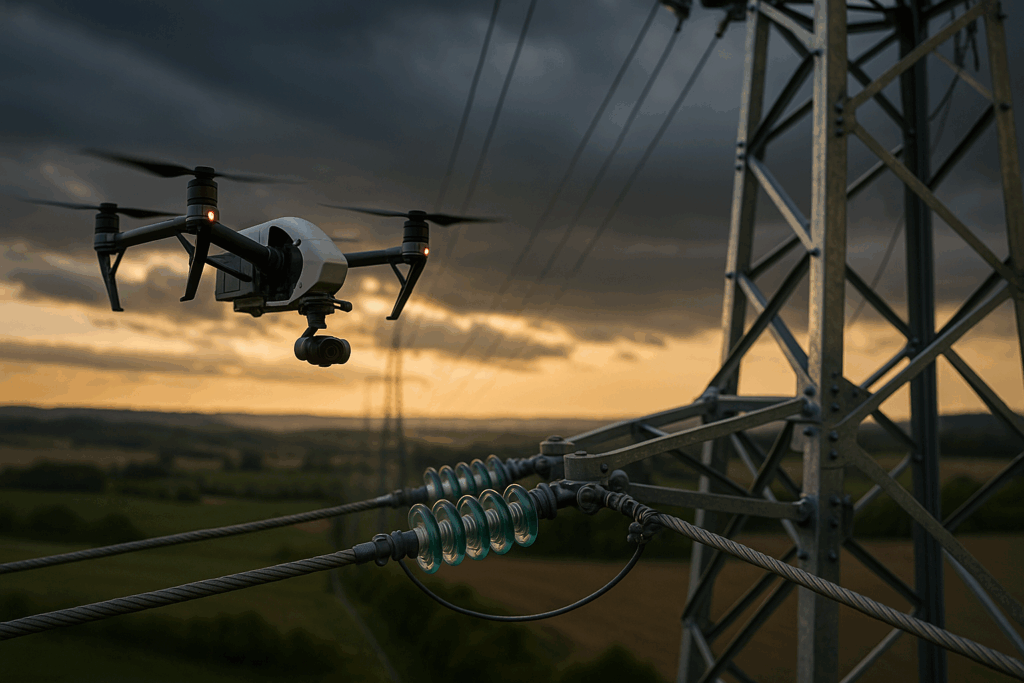
Predictive maintenance drones align with Europe’s climate and energy goals, saving around 10 kg of CO₂ per kilometre of power line inspected.
Robivon – Engineering Europe’s autonomous future